I Love You SVG: A Designer's Real Embroidery Review
First Look at the Design Mood
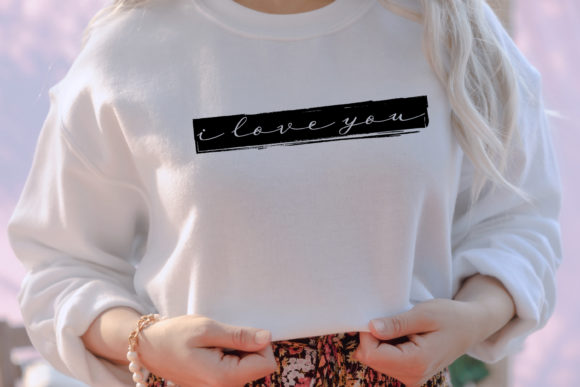
When I opened I Love You SVG, Valentine SVG, Love Svg for the first time, the immediate impression was warmth. This is not a complicated, overly ornate piece. It leans into simplicity, and that is exactly what makes it useful for real embroidery projects. The shape language feels soft, approachable, and sincere. There is a gentle rhythm to the letterforms that reads as handwritten affection rather than a stiff typographic statement. For a maker who regularly prepares personalized gifts, custom apparel, and small shop merchandise, this kind of visual personality matters a lot. It sets the emotional tone before a single stitch lands on fabric.
From a design reviewer's perspective, the mood sits somewhere between sweet nostalgia and modern minimalism. It does not try too hard. It whispers rather than shouts. That quality makes it surprisingly versatile across different product categories. Whether you are thinking about a Valentine's Day tote bag, a cozy sweatshirt, a nursery pillow cover, or a simple kitchen towel gift set, this design slips in naturally without overwhelming the product.
Where This Design Naturally Belongs
After studying the layout and overall feel of the I Love You SVG, Valentine SVG, Love Svg design, I could immediately picture it on a few specific product types. The design seems born for heartfelt, close-to-the-body items. Think of a soft cotton sweatshirt with the design stitched in a muted rose thread, or a canvas tote bag where the words become a quiet statement. It also fits beautifully on baby clothes, nursery decor, and small embroidered patches that can be attached to jackets, aprons, or backpacks.
For Etsy sellers and craft business owners, this design offers a clear giftable identity. It slots into the Valentine's Day category without effort, but it also works year-round for anniversary gifts, thinking-of-you presents, wedding tokens, or simply as a sweet accent on boutique products. The emotional range is wider than the product title might suggest at first glance. You are not locked into February 14th with this one.
A Real Scenario: Embroidering a Custom Tote Bag
Let me walk you through how I evaluated this design for a real project. Last week, I was preparing a set of custom embroidered tote bags for a small handmade shop client. The brief was simple: create something that feels personal, understated, and suitable for gifting. I tested several love-themed designs, and I Love You SVG, Valentine SVG, Love Svg was one of the strongest contenders.
I hooped medium-weight cotton canvas, used a cutaway stabilizer, and ran the design at a size that felt proportionate to the tote bag's front panel. What I noticed immediately was how cleanly the lettering read from a normal viewing distance. The curves felt intentional, and the overall shape held its own without competing with the fabric texture. The design did not demand dense fill stitches that would stiffen the bag. Instead, it relied on a balanced layout that breathed well on the surface.
When I handed the finished sample to a few testers, the reaction was consistent. People smiled. They traced the letters with their fingers. That tactile connection is something I always look for in a design destined for handmade products. If the stitching invites touch and creates an emotional reaction, the product value rises significantly.
How the Design Performs in Real Embroidery
Performance is where many attractive digital designs fall apart. A design can look beautiful on a screen mockup but stitch out poorly on fabric. With I Love You SVG, Valentine SVG, Love Svg, the simplicity becomes an advantage. The lettering does not rely on extreme thin strokes that disappear under thread tension. The overall shape is forgiving enough to handle minor fabric shifts during stitching, which is a common headache on softer materials like fleece, jersey, or loosely woven linen.
Thread Color and Contrast Choices
One of the first things I test is how a design reacts to different thread color choices. With this design, I ran a version in soft blush on natural linen, another in deep burgundy on cream canvas, and a bold white on dark charcoal cotton. The design held its legibility across all three combinations. The key is contrast. Because the lettering is relatively straightforward, it does not rely on intricate internal details that vanish on dark fabrics or busy backgrounds. This makes it a reliable choice for apparel decorators who work with varied garment colors.
Stitch Density and Fabric Behavior
If you are converting this design for machine embroidery, pay attention to stitch density across the letter connections. The areas where letters join or nearly touch can become dense spots if the digitizing is not carefully adjusted. On stable woven fabrics with proper stabilizer, this is rarely a problem. But on stretchy fabrics like t-shirt cotton or ribbed knits, dense connecting points can cause puckering. I recommend testing on scrap fabric first, especially if you plan to use this on thin or stretchy garments.
Where to Use This Design Carefully
No design is a universal fit for every project, and I Love You SVG, Valentine SVG, Love Svg is no exception. Through my testing, I identified a few situations where extra caution is needed:
- Small hoop sizes: If you scale the design down too aggressively for tiny hoops, the lettering can lose clarity. Test the smallest size you plan to offer before committing to a product line.
- Textured fabrics: Terry cloth, thick knits, and heavily textured wovens can disrupt the smooth flow of the letterforms. The design works best on relatively smooth surfaces.
- Curved surfaces like caps: The linear nature of the design means it needs careful placement on curved areas. It is not ideal for unstructured cap fronts unless you adjust the arc or use a patch format.
- Layered garments: Embroidering on areas with seams, zippers, or multiple fabric layers can distort the alignment. Flat, uninterrupted surfaces give the cleanest result.
- Products requiring frequent heavy washing: Like any embroidered text design, the threads will wear over time. Use quality thread and proper backing to extend the life of the finished product.
Visual Appeal and Customer Perception
From a buyer's perspective, the I Love You SVG, Valentine SVG, Love Svg design carries an immediate emotional message. Customers browsing Etsy or a craft fair booth do not analyze stitch density. They react to feeling. This design delivers that feeling quickly. It says something universally understood without needing extra decoration, glitter, or gimmicks. That directness builds trust. When a customer receives a handmade product with this design, the message is clear, the craftsmanship is evident, and the giftability is high.
For small business owners, this design can become a quiet signature piece. It does not overpower your brand. Instead, it complements your unique product style. Whether you use it on aprons, pillow covers, tea towels, blankets, or nursery items, the design adapts to your aesthetic rather than forcing you to adapt to it.
Practical Designer Notes Before You Stitch
Before you add this design to your embroidery project lineup, here are the practical checks I always recommend:
- Test on scrap fabric first: Run a full stitch-out on the exact fabric type you plan to use for your products. Do not rely on screen previews alone.
- Check thread color contrast: Test your chosen thread on light, medium, and dark fabric backgrounds to confirm readability.
- Review stitch density: If you are digitizing the design yourself, watch for dense spots at letter connections and adjust accordingly.
- Confirm hoop size: Make sure the design fits comfortably within your intended hoop dimensions with enough clearance for the hoop edges.
- Use proper stabilizer: For most apparel and tote bag projects, a medium-weight cutaway stabilizer works well. Adjust based on fabric stretch and weight.
- Inspect small details: Check the design at actual stitch-out size, not just zoomed in on a screen. Look for any thin strokes that might disappear under thread.
- Test in black and white: Viewing the design in grayscale can reveal contrast issues that color view hides.
- Confirm licensing before selling: Always verify whether the design is cleared for commercial use on finished products. If the license terms are not clearly stated in the product description, reach out to the seller before listing items in your shop.
Why This Design Works for Craft Businesses
Running a small embroidery business means making smart design choices. Every design you add to your catalog needs to earn its place. I Love You SVG, Valentine SVG, Love Svg earns its place through emotional clarity, versatile application, and reliable stitch-out performance. It is not the most complex design you will ever use, and that is precisely its strength. It lets your craftsmanship shine. The fabric, the thread choice, the product shape, and your finishing details all become part of the final presentation.
For printable mockups and digital product previews, this design also photographs well. The clean lines create attractive listing images that communicate the product's emotional value before a buyer reads a single word of description. That visual clarity can improve engagement on Etsy, social media, and craft marketplace platforms.
Final Thoughts From the Embroidery Table
After running multiple tests, handling the finished pieces, and observing how people react to the stitched design, I can say that I Love You SVG, Valentine SVG, Love Svg is a genuinely useful addition to a maker's digital library. It does not overpromise with flashy details that fail in execution. It delivers a straightforward, heartfelt message that stitches cleanly and connects with customers. For personalized gifts, custom apparel, boutique products, and holiday merchandise, this design holds its value. Just remember to test thoroughly, choose your fabric and thread thoughtfully, and always respect the designer's licensing terms. A little preparation at the start makes the difference between a good finished product and a great one.