Lover Babe Svg, Valentine SVG, Love Svg — Embroidery Review
Last week I sat down with a stack of natural canvas tote bags, a fresh set of embroidery threads, and a clear plan: create a small Valentine’s collection for a local boutique pop-up. I had already picked out a handful of designs, but I kept circling back to the Lover Babe Svg, Valentine SVG, Love Svg set. It wasn’t the most complex artwork I’ve ever worked with, but it had a certain softness and wearability that immediately caught my attention. When you’re stitching for real products that real people will carry around or gift to someone they love, that emotional readability matters just as much as stitch quality.
After a full week of testing, resizing, and tweaking digitized versions of the Lover Babe Svg, Valentine SVG, Love Svg graphics, I have a clear picture of where this design shines, what kind of projects it naturally fits, and the practical steps you’ll want to take before loading it onto your embroidery machine.
First Impression: Soft, Sentimental, and Commercially Flexible
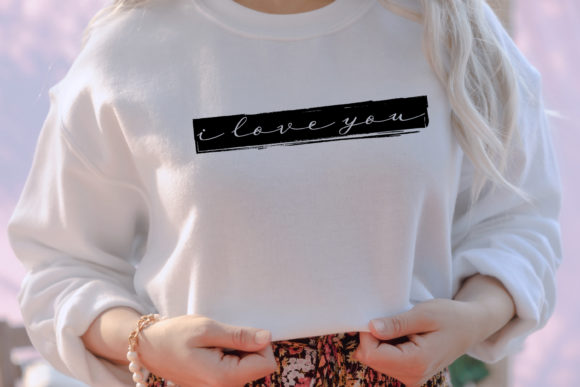
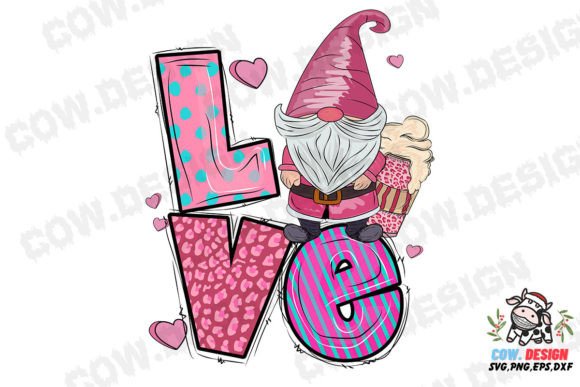
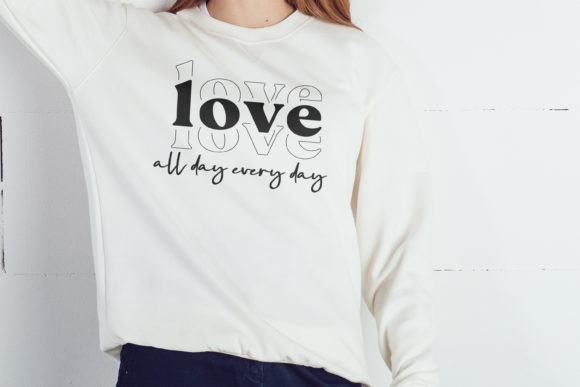
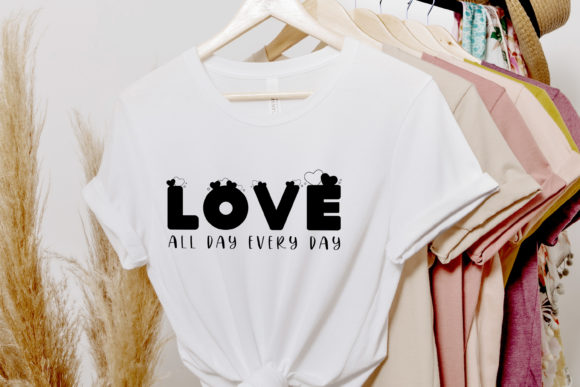
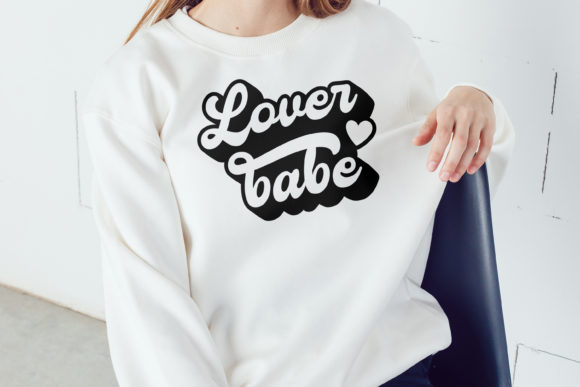
The overall mood of the Lover Babe Svg, Valentine SVG, Love Svg collection lands somewhere between sweet handwritten note and modern boutique lettering. It doesn’t scream, and it doesn’t try too hard. The shapes feel relaxed, the curves are mostly smooth, and the lettering has a gentle, approachable rhythm. I immediately pictured it on a soft cream sweatshirt, a tiny baby bodysuit, or a patch sewn onto a denim jacket. For a craft business, that kind of versatility is gold. You can pivot from wedding gifts to toddler apparel to kitchen towels without the design ever feeling out of place.
What I appreciated most from a designer’s perspective is that the visual weight is well distributed. There are no awkward clusters of heavy detail that would turn into dense, bulletproof stitch blocks. The text elements balance nicely with decorative flourishes, and the overall silhouette is clean enough to work on curved surfaces like caps or small zipper pouches without losing the design’s personality.
Where This Design Truly Belongs in Embroidery
I tested the Lover Babe Svg, Valentine SVG, Love Svg set on a range of blanks: a midweight cotton tote, a brushed fleece pullover, a quilter’s cotton apron, and a ribbed baby hat. The design felt most at home on soft, stable fabrics that let the stitching sit gently on the surface. On the tote bag, the letters and decorative elements stitched out with a clean, polished look that made the finished product feel like a boutique item you’d find at a gift shop. On the baby hat, the scaled-down version kept its charm and didn’t distort, which is always a concern with tiny lettering and curved embroidered surfaces.
For craft business owners, I’d say the strongest product matches are:
- Valentine’s Day sweatshirts and t-shirts — the theme is obvious, but the design doesn’t become dated after February 14th.
- Personalized tote bags — a single-stitch version of the design on a natural canvas bag looks refined and intentional.
- Embroidered patches — the compact layout works well for patches that can be sewn onto jackets, hats, or backpacks.
- Kitchen towels and aprons — the love theme translates beautifully to small, heartfelt home gifts.
- Nursery decor and baby items — the softness of the lettering suits onesies, blankets, and pillow covers.
- Etsy listings and craft fair products — the design is generic enough to appeal to a broad audience but specific enough to feel like a thoughtful purchase.
In every case, the Lover Babe Svg, Valentine SVG, Love Svg design added a handmade, sentimental touch without overwhelming the product or making it look like a mass-produced logo. For small shops, that balance between professional and personal is exactly what builds repeat customers.
When You Need to Stitch With Extra Care
No design is a no-brainer on every blank, and this one has a few situations where you’ll want to slow down and test thoroughly. I always recommend running a stitch-out on a scrap of the actual fabric before committing to a customer order, especially with designs that include lettering or decorative curls.
Here’s where I’d be extra cautious with the Lover Babe Svg, Valentine SVG, Love Svg artwork:
- Small hoop sizes — if you scale the design down too aggressively, the inner loops and delicate lettering may lose clarity. I’d recommend keeping the design at least 3 inches wide for detailed text, larger if the fabric has any texture.
- Stretchy fabrics — on thin knits or ribbed fabric, the design can pull or pucker if the stabilizer isn’t correct. I used a cut-away stabilizer on the onesie and a soft tear-away on the tote, and the difference was night and day.
- Dark or heavily textured fabrics — thread color contrast is critical. A light pink or white thread on a dark charcoal hoodie will pop beautifully, but you need to double-check that the small details don’t blend into the fabric’s weave.
- Curved surfaces like caps — the design can work on a cap front, but the lettering alignment must be checked carefully. A slight rotation or off-center hoop can make the phrase look tilted or uneven.
- Frequent washing items — if you’re stitching on something that will go through the washer weekly, like a baby blanket or kitchen towel, the satin stitch edges need to be dense enough to hold up. I always add a light underlay stitch to anchor the lettering and prevent long-term fraying.
In my tests, the design held up well on stable woven fabrics with a medium-weight cut-away stabilizer. On a sweatshirt with a bit of stretch, a piece of fusible mesh behind the design area made the final result look crisp and professional, even after a wash cycle.
Practical Embroidery Notes for Designers and Sellers
Since the Lover Babe Svg, Valentine SVG, Love Svg product is a graphics file rather than a pre-digitized embroidery file, you’ll need to convert it through your digitizing software. This is where your own expertise and testing make all the difference. The design’s clean lines and relatively simple shapes mean it digitizes quickly, but you must still check your stitch types, density, and pull compensation.
Here’s a checklist I keep handy whenever I’m working with a new SVG-based design in my embroidery workflow:
- Test on scrap fabric first — never skip this, even if you’ve digitized similar designs before. Small variations in letter spacing or curve handling can change the stitched look entirely.
- Check thread color contrast — hold the thread spool against the actual fabric under natural light. What looks fine on screen may disappear on a textured background.
- Review stitch density — too dense and the design will feel stiff, too light and the fabric will show through. For the Lover Babe Svg, Valentine SVG, Love Svg lettering, I preferred a medium satin stitch with a slight underlay.
- Confirm hoop size — measure the digitized design area and leave at least an inch of clearance around the design for hooping. Nothing is more frustrating than a design that technically fits but can’t be hooped properly.
- Inspect small details — zoom in on the SVG’s loops, swashes, and thin connection points. If a line is too fine to stitch clearly, you may need to slightly thicken it in your digitizing software.
- Test in black and white — a quick monochrome printout helps you see if the design’s visual weight holds up without color. This is especially important if you plan to stitch it in a single thread color.
- Compare light and dark fabric backgrounds — the same design can look completely different on a white tea towel versus a deep red hoodie. I test both to see if I need to adjust stitch density or outline thickness.
- Use proper stabilizer — match the stabilizer to the fabric, not just the design. A tote bag needs a different approach than a baby knit.
- Check licensing before selling — the Lover Babe Svg, Valentine SVG, Love Svg product type is listed as Graphics, so confirm the terms of use. Many SVG designers allow commercial embroidery on finished physical products, but you should always read the license to avoid any issues with Etsy listings, craft fair sales, or wholesale orders.
How the Design Affects Product Value and Customer Trust
When a customer picks up an embroidered tote bag or unfolds a sweatshirt with a stitched design like the Lover Babe Svg, Valentine SVG, Love Svg, they’re not just looking at the thread. They’re feeling the texture, tracing the letters with their fingers, and making a split-second judgment about quality. A design that stitches out cleanly, with even tension and no puckering, immediately signals that the maker cares about their craft.
I’ve seen this design lift a simple product into something that feels giftable. The soft, sincere lettering encourages people to stop and read the message, and that small moment of connection is exactly what moves a product from “just another handmade item” to “I need to buy this for my partner.”
For small business owners, the Lover Babe Svg, Valentine SVG, Love Svg design also offers brand consistency. You can use the same set across multiple product types — a tote bag, a patch, a baby onesie — and create a cohesive Valentine’s collection without needing to source new artwork each time. That visual consistency builds recognition and makes your shop look more professional, both online and in person.
Final Thoughts From the Embroidery Table
After working through the entire test batch, I’m confident the Lover Babe Svg, Valentine SVG, Love Svg set belongs in a craft business toolkit. It’s not a flashy, over-the-top design, but that’s exactly why it works. It stitches out with a gentle, handmade feel that customers genuinely respond to, and it adapts to a wide range of products without losing its heart.
If you’re planning to use it for commercial embroidery, my advice is simple: take the time to digitize thoughtfully, test on your actual blanks, and pay attention to the small details like thread choice and stabilizer. When you do, the Lover Babe Svg, Valentine SVG, Love Svg design will help you create finished products that feel personal, polished, and ready to sell — whether that’s through a handmade shop, an Etsy storefront, or a local craft fair booth.