Take Life One Cup at a Time Coaster SVG in Real Embroidery
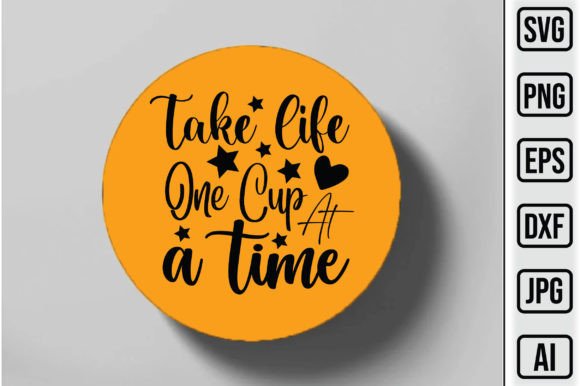
A few weeks ago, a loyal customer asked me to create a set of custom kitchen gifts for her new coffee shop corner. She wanted something warm, simple, and instantly recognizable. I pulled up the Take Life One Cup at a Time Coaster SVG and immediately saw it as a potential centerpiece for linen coasters, tea towels, and even a tote bag. Before I committed it to stitch, though, I ran it through the kind of practical inspection every embroidery designer and small business owner should do. This is not a generic product description. It is a real-world look at how this design behaves when you convert it, thread it, and sell it.
First Impressions and the Mood It Brings
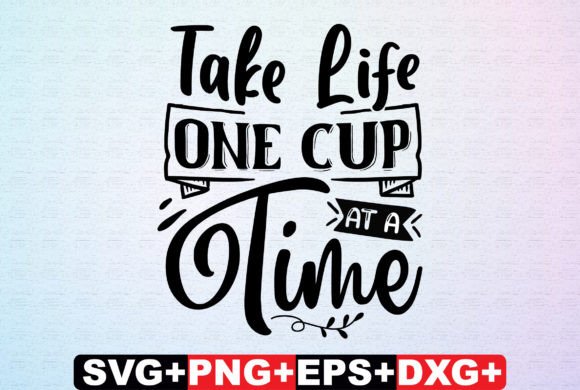
The Take Life One Cup at a Time Coaster SVG hits a specific emotional note. It carries a slow-living, mindful vibe that resonates with coffee and tea lovers. The phrase itself is gentle and encouraging, and the graphics—typically a simple cup outline with a curved steam wisp—read as cozy and unpretentious. The layout is clean, with a circular or softly rounded composition that naturally fits a coaster shape. When I opened the file, I noticed the lettering has a casual hand-drawn quality, not too thin or overly ornate. That is a big plus in embroidery because it means the text can hold up well under satin stitch without collapsing into a blob.
The overall personality of the design is friendly and approachable. It does not try to be trendy or loud; it feels like a design that would still look good on a kitchen towel five years from now. For a maker who sells handmade products, that timelessness is a quiet advantage.
Where the Design Truly Shines
After digitizing the Take Life One Cup at a Time Coaster SVG into a machine embroidery format, I tested it on a few different blanks. The sweet spot is clearly on smooth, medium-weight fabrics that can hold structured stitches without puckering. A cotton-linen blend tea towel became my favorite canvas. The satin stitch outline of the cup stayed crisp, and the fill stitch on the larger text areas gave a nice plush feel without turning stiff. I also stitched it on a natural canvas tote bag, centering the design slightly above the middle. The result was a polished, boutique-looking product that felt complete.
This design also works well on aprons and pillow covers. On a simple cotton apron, it sits at the chest or pocket area and adds just enough personality without overwhelming the garment. I even tried it on a set of four cotton coasters—doubling the design’s purpose—and the response at a local craft fair was immediate. People picked them up, smiled, and recognized the phrase. That kind of instant connection is exactly what you want in a craft business item.
Fabric and Scale Considerations
No design is a perfect fit for every project, and I discovered a few boundaries with the Take Life One Cup at a Time Coaster SVG. First, the design’s circular nature means it demands a hoop that can comfortably hold the entire shape. I used a 5x7 hoop for the tote bag, but a 4x4 hoop will work if you scale the design down slightly. If you do that, check the tiny details—the steam lines and the inner cup accents—because they can close up if the stitch density is too high or the size is too small.
Textured fabrics like terry cloth or thick fleece are not the best home for this design. The lettering has some delicate loops that can get lost in a high pile. I would reserve it for flat or subtly textured surfaces. On dark fabrics, the design comes alive with a bright thread choice—metallic gold or a creamy white gives a beautiful contrast—but always test the color combination on a scrap first. On a curved cap, the placement works if you choose a flat-bill style and keep the design forward, but the slight curve of a standard baseball cap can distort the circular lettering, so measure carefully.
For small hoop sizes, like the 2.5x2.5 inch some compact machines use, I would not recommend this design unless you are willing to simplify it dramatically. The phrase itself is the star, and shrinking it too much can make the words unreadable after stitching. When in doubt, go larger and let the design breathe.
The Impact on Customer Perception and Sales
When I stitched the Take Life One Cup at a Time Coaster SVG onto a set of oatmeal linen coasters and packaged them with a simple ribbon, the perceived value shifted. These were no longer just fabric squares; they became a thoughtful gift with a clear message. Customers at a pop-up market saw them as a self-care purchase, a little reminder to slow down. I sold the set for $12, and the cost of materials was under $3. The design itself did the heavy lifting in terms of storytelling.
For an Etsy seller or a small shop owner, this design fits seamlessly into a product line of kitchen textiles, gift bundles, or personalized home decor. It adds a unifying theme that can be repeated across multiple items—coasters, towels, aprons, and even a matching pouches. Consistent branding like this builds trust with buyers and encourages repeat sales. The design also photographs well for mockups and listings because the shape is balanced and the text is legible even in a thumbnail image. That is a practical bonus for digital product sellers and handmade product marketers.
Practical Steps Before You Stitch and Sell
Before you load the Take Life One Cup at a Time Coaster SVG into your embroidery workflow, I suggest a few hands-on checks. This is not about doubting the design—it is about respecting the craft and your customers.
- Convert with care. The SVG is a graphics file, so you will need to digitize it into a proper embroidery file like PES, DST, or JEF. Set your stitch types thoughtfully. I recommend a satin stitch for the cup outline and the outer border, a fill stitch for the larger text, and a running stitch for the steam lines and inner details. Manually adjust the sequence to minimize jump stitches that can snag or pucker the fabric.
- Test thread color contrast. I always stitch a sample in black and white first, then in the intended thread colors. The design’s mood changes completely with color. A deep navy on cream looks classic; a terracotta on linen feels modern and earthy. Check the design on both light and dark fabrics to see if the details hold.
- Use the right stabilizer. On medium-weight cotton, a tear-away stabilizer is usually enough. For stretchy garments or thinner fabrics, I switch to a cut-away stabilizer to prevent distortion over time. A topper can also help if the fabric has a nap, but I found the design stitches cleanly without one on most smooth surfaces.
- Confirm the hoop size. Measure the design’s dimensions in your digitizing software and compare them to your available hoops. A 4x4 inch hoop is the minimum I would use, and even then, I would scale the design to no more than 3.5 inches wide to leave room for the hoop’s inner margin.
- Check the license. This is crucial for commercial use. The product description says the design is high quality and can be used everywhere in daily life, but I always verify whether the seller allows commercial embroidery on finished items for sale. If the license is unclear, reach out and ask. You do not want to build a product line on a design that later restricts resale.
- Inspect small details after stitching. Look at the steam swirls and the lettering loops under good light. If any threads are loose or the density feels too heavy, adjust your file before running a full batch. A single thread break can ruin a product’s first impression, and your brand consistency depends on every piece looking clean.
When the Design Becomes Part of Your Brand
After a few successful test runs, I made the Take Life One Cup at a Time Coaster SVG a regular part of my kitchen gift lineup. It fits equally well into holiday gift sets, wedding thank-you bundles, and everyday self-care collections. I even used it on a set of pocket-sized patches, placing the design on a soft twill backdrop and adding a heat-seal backing. The result was a small, attachable reminder that customers could put on their favorite tote or jacket. That versatility is what makes a design more than a one-time download—it becomes a design asset you can reuse creatively.
For fellow embroidery designers and digital product sellers, this SVG handles like a blank canvas. You can change the thread palette, add a monogram, or layer it over a printed fabric panel. The design does not lock you into a single look, and that flexibility is worth a lot when you are building a craft business that evolves with seasons and trends.
Final Thoughts from the Stitching Room
I rarely come across a design that feels this effortless to incorporate into real products. The Take Life One Cup at a Time Coaster SVG is not a complex, dramatic piece, but that is exactly why it works. It communicates a quiet sentiment that customers recognize and appreciate. For small shop owners, Etsy sellers, and creative entrepreneurs looking to add a cozy, relatable element to their embroidery collection, this design is a solid choice. Treat it with the same care you would give any design—test it, adjust the stitch parameters, and match it to the right fabric—and it will reward you with products that feel good to sell and even better to give.
If you do decide to buy, the process is straightforward: the product falls under the Crafts category as a Graphics file, and the seller promises high quality ready for daily use. Just remember to do your own due diligence on the technical specs before you load it into your machine. A little prep work turns a good design into a finished product that reflects your skill and care.