Pumpkin Venti Cold Cup 24oz Embroidery Design Review
First Look at the Pumpkin Venti Cold Cup 24oz
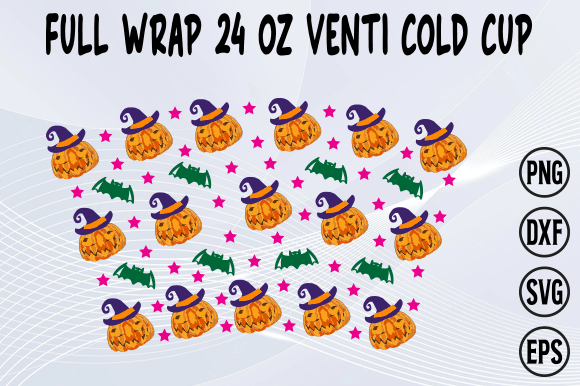
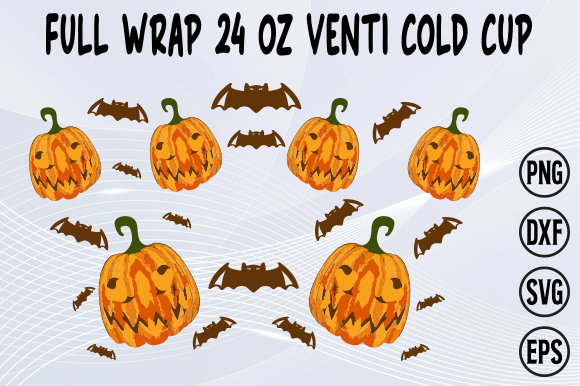
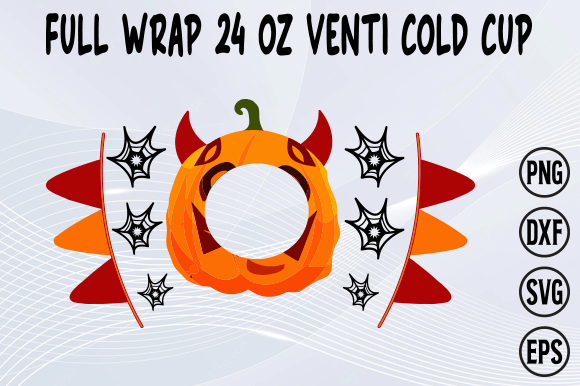
When I first opened the Pumpkin Venti Cold Cup 24oz design file, I immediately felt that cozy seasonal energy designers chase every autumn. The shape reads clearly as a familiar cold cup silhouette, but the pumpkin twist gives it that warm, handcrafted personality that performs beautifully on fall merchandise. From a reviewer's standpoint, this is the kind of machine embroidery design that feels intentional rather than generic. The composition nods to a popular coffee culture aesthetic without being a literal logo, and that opens up a lot of creative freedom for crafters, small shop owners, and Etsy sellers building seasonal collections.
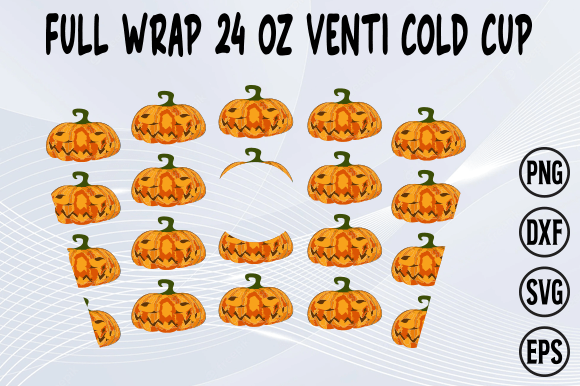
What caught my eye right away was the full-wrap layout. The design isn't just a tiny accent piece. It wants to be the main visual element on a product, and that ambition matters when you are thinking about how a finished project will look on a table at a craft fair or in a customer's hands. The pumpkin motif integrated with the cold cup shape creates a mood that is playful, a little whimsical, and undeniably seasonal. If you sell handmade products or personalized gifts during the fall, this design already understands the assignment.
How This Design Fits Real Embroidery Projects
I spent some time mentally testing where the Pumpkin Venti Cold Cup 24oz would naturally belong in a working maker's lineup. The first place my mind went was a custom apparel piece, specifically a cozy crewneck sweatshirt with the design centered on the chest and stitched in warm orange, cream, and deep brown thread colors. The full-wrap nature of the design would also translate beautifully onto a tote bag design, where the flat canvas surface lets the detail shine without distortion. I can easily see this becoming a bestseller for someone who does fall market pop-ups or runs a boutique shop that thrives on seasonal drops.
Beyond apparel, the design has real potential for home decor embroidery. A linen pillow cover with this design in muted autumnal tones would feel elevated and giftable. Kitchen towels with a smaller, adjusted version could work well for a hostess gift collection. I even considered how it might look on a child's apron or a baby bib for a pumpkin patch themed photo shoot. The versatility here is genuine, not forced. Whether you do baby embroidery, holiday embroidery, or everyday personalized products, the design adapts to the product type without losing its character.
Stitching Behavior and Practical Considerations
Now, let's talk about what actually happens when thread meets fabric. As someone who has tested hundreds of designs, I always look at how a graphic will behave under the needle. The Pumpkin Venti Cold Cup 24oz design, with its layered cup and pumpkin elements, will likely rely on a mix of satin stitch borders and fill stitch areas. If the pumpkin details include curved ridges or small decorative accents, you want to pay close attention to stitch density in those zones. Overly dense fills on a design like this can cause puckering on lighter fabrics or make the finished piece feel stiff, and nobody wants a scratchy spot right on the front of a sweatshirt.
The full-wrap layout also means you need to be honest about hoop size. If this design is meant to cover a significant portion of a 24oz cup template, it likely requires a larger hoop, something in the range that lets you avoid rehooping mid-design. For crafters working with smaller machines, scaling down is possible, but you must test how the smaller details hold up. Tiny pumpkin ridges or thin outlines can close up or lose definition when reduced too aggressively. I always recommend running a test stitch on scrap fabric that matches your final project material before committing to a batch of products.
Fabric Choices and Surface Challenges
One of the most important things I remind fellow makers is that not every design plays nicely with every fabric. The Pumpkin Venti Cold Cup 24oz design will shine on stable, medium-weight fabrics like cotton canvas, denim, twill, and structured sweatshirt fleece. These surfaces give the stitches a solid foundation and help the design maintain crisp edges. If you are planning to stitch this onto a thin t-shirt or a stretchy knit fabric, you absolutely need a quality cut-away stabilizer behind it, and even then, a dense design on lightweight fabric can feel heavy and look pulled.
Textured fabrics like terry cloth or waffle weave present another challenge. The cup silhouette might lose some of its smooth, recognizable shape when the stitches sink into a nubby surface. For tote bags with a rougher weave, a topper or water-soluble stabilizer on top of the fabric can help the stitches sit on the surface instead of disappearing into the texture. I have also learned the hard way that dark fabrics demand careful thread color selection. The pumpkin orange that pops beautifully on cream or oatmeal might look muddy on charcoal or black, so always test your color palette against your actual fabric background before finalizing anything for a customer order.
Curved Surfaces and Placement Precision
Let's talk about caps and hats, because I know someone is already thinking about putting this design on a dad hat for fall. The curved surface of a structured cap is unforgiving with designs that have wide, flat elements. The full-wrap nature of the Pumpkin Venti Cold Cup 24oz might need to be adjusted or repositioned to avoid the design bending awkwardly across the crown seam. If you have a cap hoop and experience with hat embroidery, you can likely make it work by centering the design carefully and keeping the size moderate. For those new to curved surface embroidery, I would recommend starting with flat goods like a pillow cover or a tea towel to build confidence before tackling caps.
Placement on garments also deserves a moment of thought. On a sweatshirt, center chest placement is classic and foolproof. For a tote bag, centering the design slightly above the middle creates a balanced look that feels intentional. If you are making embroidered patches from this design, the placement question disappears entirely, and the patch format actually opens up a whole new product category. A patch version of this design could be sold separately or applied to anything from jean jackets to backpacks, giving the design a second life beyond direct embroidery.
Customer Appeal and Market Readiness
Stepping into the buyer's shoes for a moment, I can see exactly why this design would catch someone's eye. The pumpkin and cold cup combination taps into the seasonal coffee culture that peaks every autumn, and consumers who love personalized gifts gravitate toward designs that feel specific and timely. A handmade tote bag featuring this design feels like a thoughtful gift for a coffee-loving friend. A sweatshirt with this stitched across the front becomes a wardrobe staple for pumpkin patch visits and crisp Saturday mornings. The emotional connection is already built into the theme, and that is a huge advantage for sellers.
From a brand consistency perspective, the design works well for small shops that want to build a recognizable seasonal aesthetic. You can carry the pumpkin cup motif across multiple products, maybe a matching set of a tote bag, a zip pouch, and a kitchen towel, without the collection feeling repetitive. Customers who buy one item might come back for another, and that kind of repeat engagement is gold for Etsy sellers and craft business owners who rely on loyal followings.
Designer Notes and Pre-Stitch Checklist
Before you load this design onto your machine and start stitching for a client or a shop listing, I want to share a few practical habits I have developed over years of embroidery work. First, test the design on scrap fabric that matches your final project. I cannot stress this enough. What looks perfect on screen can behave differently under the needle, and a test stitch saves you from wasting a good garment or a piece of expensive fabric. Pay attention to pull compensation, especially around the edges of the cup shape, and watch for any gaps where the fabric peeks through between fill areas.
Second, check your thread color contrast under natural light. The pumpkin shades that look vibrant under your studio lights might read differently in daylight or in a customer's home. I like to stitch a small color swatch test before committing to a full run. Third, inspect small details carefully. If the design includes tiny elements like a straw, a lid ridge, or decorative dots on the pumpkin, those are the first places where stitch quality can break down. A running stitch detail that is too fine might disappear on textured fabric, and a satin stitch border that is too narrow might not cover cleanly.
I also recommend testing the design in a black-and-white preview or a simple printable mockup to evaluate how the silhouette reads without color. A strong design should still be recognizable in outline form, and this is especially important if you plan to offer the finished product in multiple colorways. The cup shape should hold up even when the thread palette changes.
Real Scenario: A Fall Market Preparation
Let me walk you through a real-life scenario that I think captures how the Pumpkin Venti Cold Cup 24oz design fits into a working maker's life. Picture a small business owner preparing for an October craft market. She has a stack of natural canvas tote bags, a spool of burnt orange thread, and a weekend to stitch. She loads the design, tests it on a scrap of the same canvas weight, adjusts the tension slightly, and runs a sample. The stitched result looks clean, the pumpkin curves are smooth, and the cup shape is instantly recognizable. She stitches ten bags, pairs them with tissue paper and a simple hang tag, and prices them at a premium because the design looks professional and intentional. By Sunday afternoon, she has sold out. That is the kind of practical outcome a well-chosen embroidery file can deliver.
That same maker could take the same design and scale it down for a baby onesie, stitch it onto a kitchen towel for a hostess gift set, or even create a framed hoop art piece for a nursery or a coffee nook. The design does not lock you into one product category. It gives you a starting point, and your creativity handles the rest.
Licensing and Commercial Use Awareness
I want to touch on something that experienced designers always check, and that is the usage rights and licensing terms. The Pumpkin Venti Cold Cup 24oz is listed under Graphics in the Crafts category, and the description highlights compatibility with cutting machines and instant download availability. Before you sell finished products featuring this design, whether as physical embroidery items or as part of a digital embroidery file bundle you are reselling, confirm the license terms. Some designs are cleared for personal use only, while others permit commercial use on finished physical products. Do not assume. Check the terms, keep a record of your license, and if you are unsure, reach out to the seller for clarification. This protects your business and respects the original designer's work.
The same care applies if you plan to use the design in printable mockups or as part of your design assets library for client work. Transparency about what you can and cannot do with a purchased file keeps your shop trustworthy and your projects above board.
Final Practical Thoughts
After evaluating the Pumpkin Venti Cold Cup 24oz from multiple angles, fabric considerations, market appeal, stitching behavior, and product versatility, I can say this design earns its place in a seasonal embroidery lineup. It has the visual personality that attracts buyers, the thematic clarity that works for fall collections, and enough flexibility to adapt to different product types. The full-wrap layout gives it presence, and the pumpkin and cup combination feels current without being trendy in a way that will feel dated next year.
For embroidery designers and small shop owners, the key is to treat this design as a foundation. Experiment with thread colors, test it on different fabric weights, and think about how it fits into a larger product story. A single design stitched well on a quality blank can outperform a dozen mediocre designs rushed onto cheap materials. The makers who take the time to test, refine, and present their work thoughtfully are the ones whose products customers remember and return to buy again.
If you are building a fall collection, preparing for holiday markets, or looking for a design that bridges the playful and the polished, the Pumpkin Venti Cold Cup 24oz is worth your attention. Run your test stitches, choose your fabrics wisely, and trust your creative instincts. The design is ready. The rest is up to you and your machine.