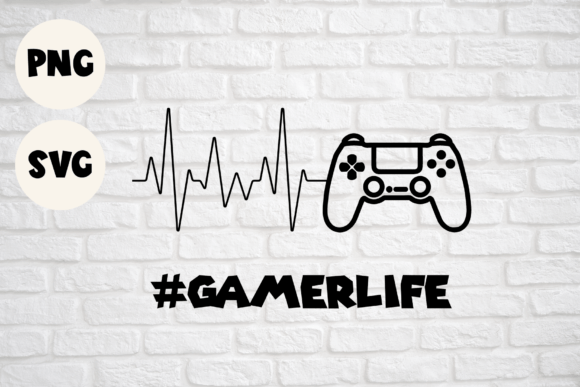
Gamer Life: Print Templates & Graphics Review
As a digital product creator who regularly sources fresh design assets for Etsy listings and print-on-demand collections, I'm always looking for graphics that can do more than just look good on a screen. The Gamer Life design immediately caught my attention because it taps into a niche that has strong, consistent demand—gaming culture. But beyond the theme, the real test is how well a file performs across multiple product types, from tumbler graphics to cutting files for Cricut. I decided to put this graphic design asset through a realistic product creation workflow, imagining I'm building a new drop for my shop.
First impressions: the artwork has a playful, slightly edgy energy that would resonate with both casual gamers and dedicated streamers. It's not overly complex, which is a plus when you're thinking about print clarity and cut precision. The mood is bold and modern, with lines that feel clean enough for a sublimation design yet detailed enough to hold interest on a large t-shirt design. I could instantly picture it on a black hoodie, a neon mug, or even as a sticker sheet for gaming laptops. The visual personality leans toward the commercial side—ideal for merchandise—but it's not so niche that it alienates a broader audience. This balance is critical for Etsy sellers who want to appeal to gift buyers as well as core fans.
Before diving into production, I always test how a digital product like this behaves in multiple contexts. With Gamer Life, I ran through a checklist that any print-on-demand seller or creative marketplace contributor would find useful. I'll walk through the key findings, from initial mockup placement to final packaging considerations.
Testing the Asset Across Product Categories
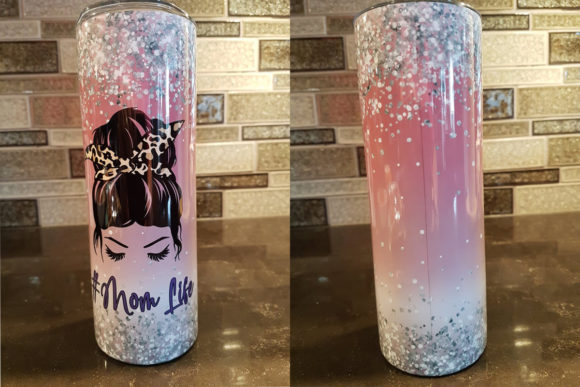
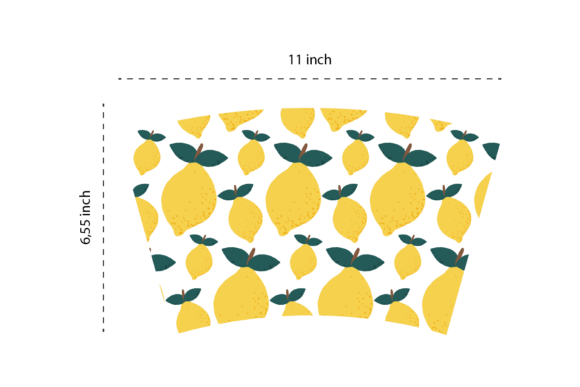
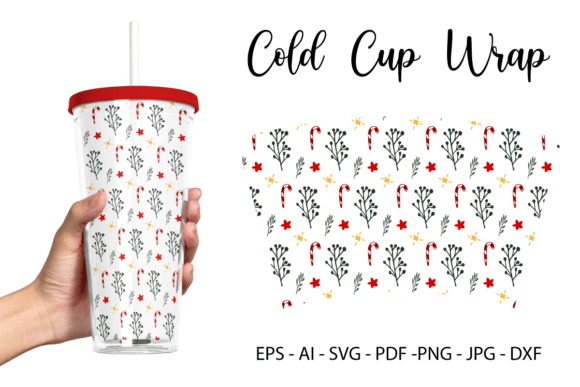
I imported the PNG design into my usual mockup tools—a combination of Photoshop and Canva—to see how it would look on a range of printable design products. The transparent background worked flawlessly, which is table stakes, but I was more interested in how the graphic held its readability at different sizes. For a tumbler graphic template, the design wrapped nicely around a 20oz skinny mockup without losing key elements. On a mug design, the central motif stayed crisp and didn't get swallowed by the curve. This is a good sign for anyone selling sublimation design blanks.
Next, I tested the SVG design inside Silhouette Studio for a Cricut project. The cut lines were clean, with minimal stray nodes, which saves hours of editing. I cut a sample from permanent vinyl and applied it to a notebook; the result was sharp enough for a sticker design or a handmade business product. The plotter file also handled a papercraft test without tearing, so I'd confidently include it in a scrapbooking bundle or an invitation suite.
I then mocked up a few digital download layouts: a Canva template for a gaming-themed party invitation, a social media banner for a streamer, and a printable wall art piece. The design adapted surprisingly well to each. For the social media graphics, the bold lines translated well to a small profile picture, and the color palette didn't clash with the typical dark-mode backgrounds prevalent in gaming communities. This versatility is exactly what you want from a graphic design asset that you're planning to sell as part of a design bundle.
Where Gamer Life Shines
In my experience, not every digital design asset is equally strong across all product formats. Gamer Life excels in applications where the graphic is the hero of the product. Think large t-shirt graphics, full-face tumbler wraps, or hoodie prints. It also works wonderfully as a decorative layout element for scrapbooking paper or as a centerpiece for a greeting card. The illustration style is forgiving enough to be used as a clipart set piece, so you could extract individual components for a sticker sheet, a bookmark design, or even a custom clock face. The fact that it can be printed on virtually anything—t-shirts, mugs, hoodies, invitations, gifts, cards—makes it a reliable workhorse for a printable design shop.
I also saw strong potential for Etsy product mockups. The design's inherent contrast makes it pop on light and dark backgrounds, which is essential for product mockup thumbnails. When I placed it in a listing image, the thumbnail looked clickable, even at a small size. This visual hierarchy matters because it directly impacts click-through potential and perceived value. Shoppers scrolling through hundreds of printable designs are more likely to stop on a mockup that feels dynamic and professionally presented.
Proceed With Caution in These Scenarios
No commercial design is perfect for every use case, and Gamer Life has a few edges where you need to be careful. First, the design's moderate level of detail means it can get muddy if you shrink it too much for tiny sticker details. I'd avoid anything smaller than a 1.5-inch square on a sticker sheet, unless you're comfortable with some loss of intricate line work. Second, if you're using it as a cutting file for intricate Cricut projects on materials like cardstock, test the cut pressure thoroughly. The plotter file is clean, but some of the internal cutouts can be challenging on thin paper at high speed.
Another caution: the design's color scheme, while vibrant, can lose contrast on dark backgrounds if you're not careful with ink density. For sublimation designs on black mugs or dark t-shirts, consider using a white underbase or adjusting the opacity in your template. This is a common issue with many PNG designs, but it's worth testing on both white and black product mockups before you publish a listing. I also wouldn't recommend using this as a background pattern or a subtle watermark; it's too bold and will overwhelm text-heavy layouts.
Practical Seller Notes for Smooth Integration
For digital product creators who are serious about building a brand identity around their shop, the way you package and present a design like Gamer Life can make or break a sale. Here are some actionable steps I take before adding such an asset to my collection:
- Test on real mockups: I always generate at least five different mockup previews—t-shirt, mug, tote bag, tumbler, and a framed print. This helps me see how the design translates to physical products.
- Preview as a marketplace thumbnail: Resize the mockup to a typical Etsy or Creative Fabrica thumbnail size (around 250x200px) and check if the design still reads clearly. Gamer Life passed this test because of its strong silhouette.
- Check on white and dark backgrounds: I place the transparent PNG on a pure white canvas and a dark gray canvas. The design held up, but I noticed it needed a slight contrast boost on dark surfaces for sublimation products.
- Test print colors: I printed a test sheet on my home inkjet and a local print shop's laser printer. Colors shifted slightly, but the overall integrity remained. This is crucial for printable design listings that promise accurate colors.
- Verify PNG transparency: I opened the file in Photoshop and checked for any stray pixels or semi-transparent edges. The provided file was clean and ready for clipart or Canva template use.
- Inspect SVG cut quality: As mentioned, I ran a test cut in Silhouette Studio. The SVG design had properly closed paths and minimal unnecessary nodes. I'd still recommend a weeding test for very small letters if present, but this design had none that were problematic.
- Confirm file resolution: The PNG was 300 DPI at a generous size, which is standard for print-on-demand and sublimation design work. For t-shirt design purposes, I'd scale it down to 12 inches wide without upsampling.
- Organize files clearly for customers: If you're reselling this as part of a design bundle, rename the files to something descriptive, like "GamerLife_TumblerWrap.png" and include a simple text file with usage tips. This small act of small business branding builds trust.
- Pair with complementary fonts: I experimented with a few font styles to see how the graphic would look in a Canva template. A bold sans serif font added a modern esports vibe, while a sharp script font made it feel more like a handmade sign. Avoid thin, delicate fonts that compete with the graphic's weight.
- Confirm commercial licensing: Before using Gamer Life on any product for sale, double-check that the commercial license covers your intended use. Most marketplaces require you to have a valid license for digital download resale or physical product creation.
Can It Elevate Your Online Product Collection?
If you're building a creative marketplace presence, whether on Etsy, Gumroad, or your own Shopify store, adding a versatile graphic design asset like this can strengthen your product line. I see Gamer Life fitting well into a seasonal bundle for back-to-school, a gaming-themed birthday collection, or even a Father's Day gift guide. Its crossover appeal means you can market it to content creators looking for social media graphics as well as crafters who need cutting files for their next handmade business project.
I also appreciate that the design doesn't require a huge amount of visual storytelling explanation—it's immediately clear what the product is about. This clarity can reduce the friction in a customer's decision-making process, which often translates to higher conversion rates on Etsy product listings. Pair it with a well-styled product mockup and a clear brand identity in your shop, and you have a compelling offer. For packaging design, this graphic could easily become a signature element on a gift box or a printable label for gaming accessories.
In my own workflow, I've already added Gamer Life to my upcoming digital download collection, focusing on gift-themed bundles. It's the kind of design asset that serves as a reliable workhorse—not a one-hit wonder that only works on a single product type. For sellers who value consistency and scalability, that's a significant advantage. Ultimately, the decision to use Gamer Life in your commercial products comes down to how well it aligns with your target audience. Just remember to test it thoroughly, present it professionally, and always respect the commercial license terms. With those steps in place, you can confidently turn this graphic design asset into a revenue-generating part of your online business.